

By Desiree Guadama
Published on June 24, 2025
Who Handles Paperwork in a Real Estate Closing? Understand Every Role and Step
Real estate closings are exciting—but they can also feel overwhelming if you’re not sure who is handling what. One of the most common questions I hear from buyers, sellers, and even new agents is: Who handles the paperwork in a real estate closing?
In this step-by-step guide, I’ll walk you through exactly who manages the documents at each stage of the closing process, so you can feel informed and in control. Whether you’re preparing to close your first deal or just want more clarity, this article breaks it all down in plain English.
Step 1: It All Starts With the Contract
The first major document in any real estate transaction is the purchase agreement. This is typically drafted by the real estate agent representing the buyer or seller, using forms approved by the state (such as the TREC forms in Texas).
Here’s what happens:
-
The buyer’s agent fills out the offer contract.
-
The seller’s agent reviews and negotiates any changes.
-
Both parties sign, making it a binding agreement.
At this point, the transaction begins—along with a flood of paperwork.
Who handles the paperwork here?
→ The real estate agents initiate the process and prepare the offer and acceptance documents. In many cases, a transaction coordinator helps organize and track the files.
Step 2: Opening Escrow and Title Services
Once the contract is signed, it’s sent to the title company or escrow agency, depending on how closings are handled in your state. In Texas, for example, title companies manage both escrow and title services.
Here’s what the title company does:
-
Receives a copy of the signed contract.
-
Opens an escrow account.
-
Begins the title search process to verify property ownership and check for liens.
They also prepare the preliminary title commitment, a key document in the early stages of closing.
Who handles the paperwork here?
→ The title company handles escrow agreements, initial title commitments, and instructions for both parties.
Step 3: Loan Processing and Disclosures
If the buyer is using financing, the mortgage lender becomes deeply involved in the paperwork phase. Their job is to:
-
Process the loan application.
-
Send out federally required disclosures (such as the Loan Estimate).
-
Order an appraisal.
-
Coordinate with underwriting to issue loan approval.
There’s a lot of back-and-forth here, and most of the paperwork is time-sensitive.
Who handles the paperwork here?
→ The buyer’s mortgage lender prepares loan disclosures, underwriting documents, and financing commitments.
A transaction coordinator or buyer’s agent typically helps the client stay on track with required signatures and submission deadlines.
Step 4: Inspection and Repair Requests
Once inspections are done (home, termite, HVAC, etc.), more paperwork follows. This includes:
-
The inspection report
-
Any repair requests submitted to the seller
-
Amendments to the contract if terms are renegotiated
It’s important that all changes are documented clearly and signed by both parties.
Who handles the paperwork here?
→ The buyer’s and seller’s agents handle all inspection-related documents and contract amendments. A transaction coordinator may assist in collecting signatures and updating timelines.

Step 5: Title Commitments and Final Clearance
By this stage, the title company will have completed the title search and is working on issuing a clear title. Their tasks include:
-
Resolving any liens or title issues
-
Preparing the final title commitment
-
Collecting payoffs from sellers’ existing mortgages
These steps ensure the property can transfer cleanly from seller to buyer.
Who handles the paperwork here?
→ The title company manages this stage entirely, coordinating directly with lenders and lien holders as needed.
Step 6: Closing Disclosure and Final Loan Documents
In the final week before closing, things move quickly. The lender sends out the Closing Disclosure (CD), which must be acknowledged by the buyer at least three days before closing.
The lender also prepares:
-
The promissory note
-
The deed of trust or mortgage
-
Additional compliance forms
Meanwhile, the title company drafts:
-
The settlement statement
-
The warranty deed
-
Seller payoff documents
All of these must be double-checked for accuracy.
Who handles the paperwork here?
→ The mortgage lender prepares final loan documents. The title company prepares the closing package. The transaction coordinator ensures all paperwork is reviewed and delivered to the correct parties.
Step 7: Signing Day—The Closing Appointment
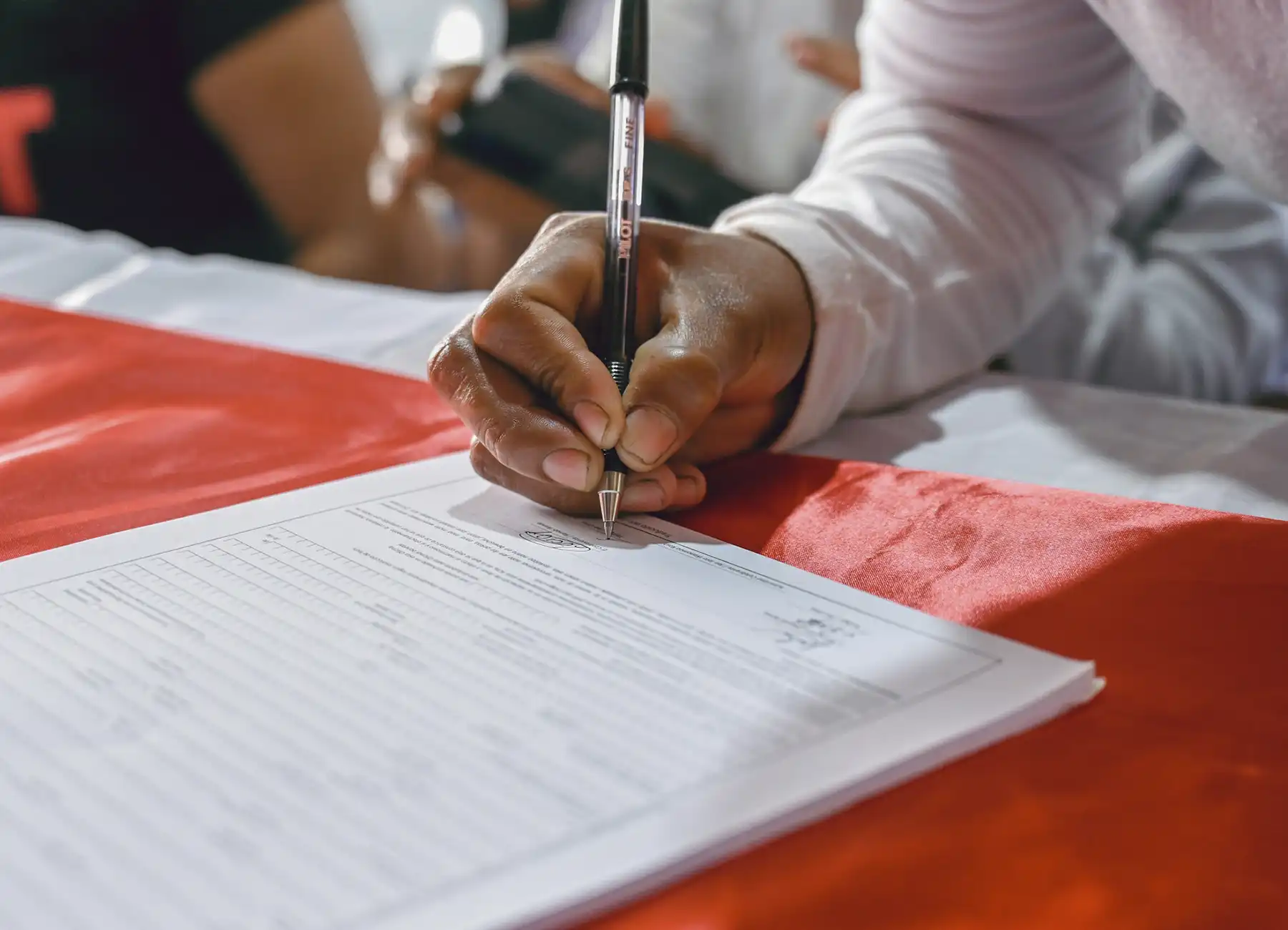
At the closing table, both parties sit down (sometimes separately) to sign the mountain of documents prepared by the lender and title company. These may include:
-
Final settlement statements
-
Loan agreements
-
Title transfers
-
Legal disclosures
-
Tax documents
Many closings are now handled virtually or by mobile notaries, but the process remains paper-heavy.
Who handles the paperwork here?
→ The title company or closing attorney facilitates the appointment. They ensure that every page is signed, dated, and notarized correctly.
Step 8: Post-Closing and Recording
After signatures are collected, the title company finalizes the transaction by:
-
Disbursing funds to all parties
-
Recording the deed and mortgage with the county
-
Delivering final documents to the buyer and lender
-
Storing transaction files for legal compliance
Only once recording is complete is the deal officially closed.
Who handles the paperwork here?
→ The title company manages all post-closing duties and document recording. Some states also require involvement from a closing attorney.
Conclusion
So, who handles paperwork in a real estate closing? As you can see, it’s not just one person—it’s a coordinated effort among agents, lenders, title companies, and sometimes attorneys or transaction coordinators.
Each step in the process involves multiple documents, deadlines, and legal requirements. Understanding who is responsible at each stage can help you stay organized, reduce stress, and avoid costly mistakes.
If you’re a buyer or seller, don’t be afraid to ask your agent who’s managing what. And if you’re a real estate agent or investor, building a reliable team—including a great transaction coordinator—can save you time and protect your deals.
Written by Karla Vergara
Licensed Real Estate Transaction Coordinator based in Texas
P.S. If you're building your real estate team, I’m happy to share my personal checklist of roles and tools I use in every closing. Just reach out—I'll send it over.
Helpful Links and Supporting Resources
- See How Other Agents Got Their Time – and Sanity – Back
Read real stories from realtors who stopped drowning in paperwork and started closing with ease. - All document handling and compliance processes follow the official guidelines of the Texas Real Estate Commission.
Get Expert Help - No More Guesswork
You’re one step away from clarity. Fill out the form and Karla or Desiree will get back to you personally to answer your questions and support your next move.